Quantity
Total
Total products
Total shipping To be determined
Total

 +
+ 
In Stock
Warning: Last items in stock!
Availability date:
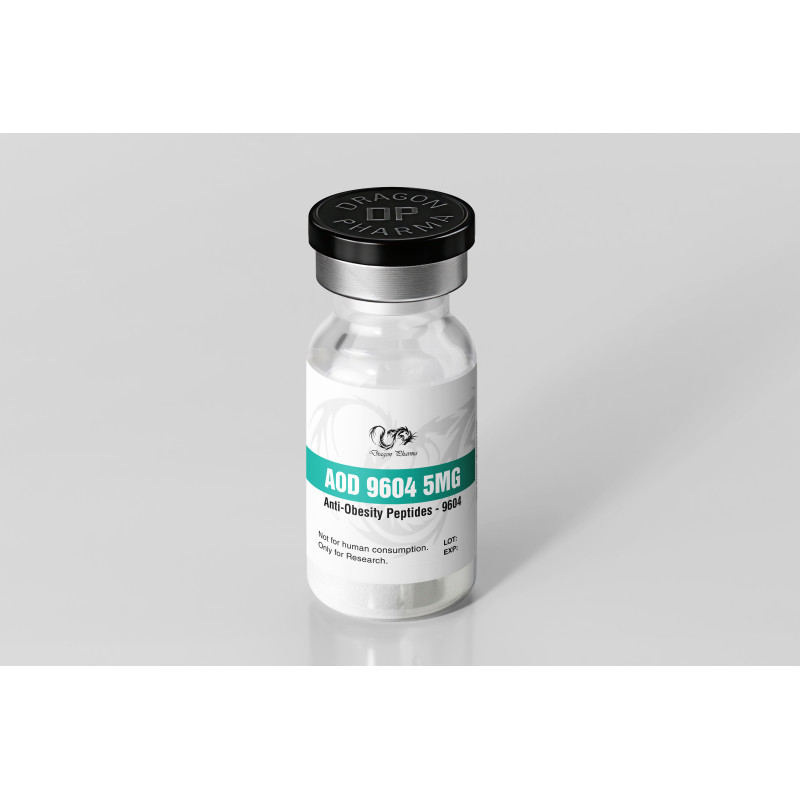
AOD 9604 is a synthetic peptide fragment derived from the C-terminal region of human growth hormone (hGH), specifically amino acids 177–191. It was developed to isolate the fat-metabolizing properties of growth hormone while minimizing its growth-promoting and insulin-like effects. AOD 9604 has been studied primarily for its potential role in lipid metabolism and weight-related research.
AOD 9604 is designed to mimic specific lipolytic signaling pathways associated with growth hormone without activating its anabolic or mitogenic effects. Research suggests its activity may involve:
These effects have been investigated primarily in preclinical and early human studies focused on metabolic regulation rather than muscle growth or endocrine stimulation.
AOD 9604 has been evaluated in several preclinical models and early-stage human trials examining its effects on body composition and metabolic markers. Key observations from research settings include:
While some studies explored AOD 9604 as a potential anti-obesity compound, results have been mixed, and further investigation is required to clarify its long-term efficacy and clinical relevance.
Research protocols involving AOD 9604 have typically utilized daily administration over defined study periods. Dosing strategies were designed to evaluate metabolic effects while monitoring safety and tolerability.
As with all research peptides, dosing approaches remain experimental and confined to controlled study environments.
Administered via subcutaneous injection, AOD 9604 is often dosed at: 300–500 mcg daily (split into morning or pre-workout injections)
Cycle duration: 4–8 weeks for optimal fat-burning results
Users often combine AOD 9604 with other fat-burning protocols or peptides, such as CJC-1295 or Ipamorelin, to enhance synergy and maximize body composition goals.
Comparison to Growth Hormone–Related Compounds
This distinction makes AOD 9604 a subject of interest for researchers investigating selective metabolic signaling independent of full growth hormone activity.
Available data from early research suggests AOD 9604 is generally well tolerated when administered in controlled settings. Reported adverse events have been infrequent and mild in nature.
Importantly, studies did not demonstrate significant effects on glucose metabolism, IGF-1 levels, or organ function. However, comprehensive long-term safety data are limited.
While initial findings provided insights into selective lipolytic signaling, AOD 9604 remains an investigational compound with ongoing interest primarily in research contexts.