July 15, 2026 · 9 min read
Exploring the Potential Benefits of BPC-157 and TB-500 Together
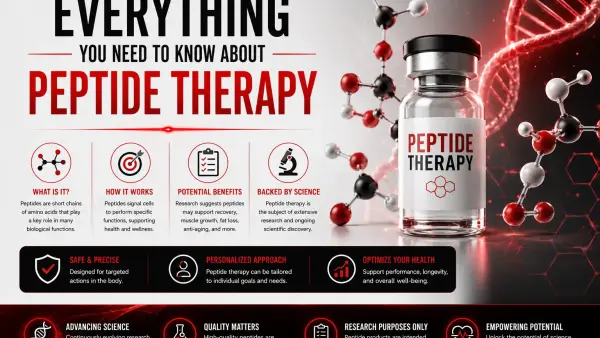
Peptides are short chains of amino acids that act as signaling molecules in the body. They help regulate many biological processes, including communication between cells, tissue maintenance, immune responses, and repair mechanisms. Because of their role in cellular signaling, peptides have become an area of interest in regenerative medicine and recovery research.
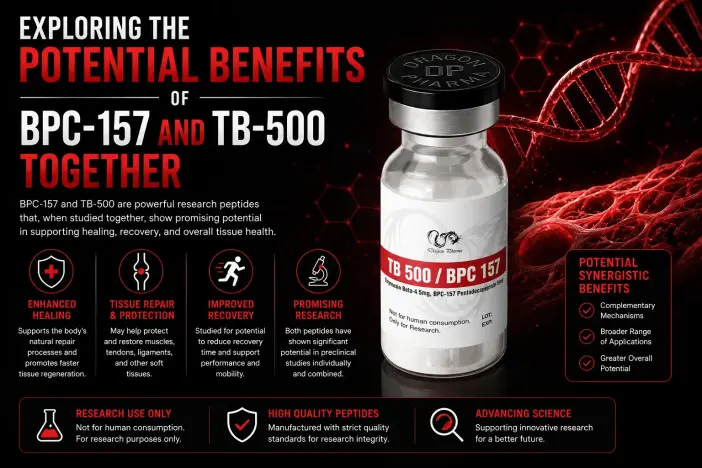
In recent years, BPC-157 and TB-500 have gained attention among researchers, athletes, and individuals interested in recovery-focused approaches. They are often discussed together because both peptides are associated with biological pathways involved in tissue repair, inflammation regulation, and recovery processes.
BPC-157 is a synthetic peptide derived from a protective protein found in the stomach, while TB-500 is a synthetic version of a naturally occurring peptide fragment related to thymosin beta-4. Researchers have investigated both compounds separately, primarily through laboratory and animal studies, for their possible roles in healing and regeneration.
Dragon Pharma Peptide products, including BPC-157 and TB-500, have gained attention in peptide research because of their potential roles in different but complementary aspects of the body's repair processes. BPC-157 research has focused heavily on gastrointestinal protection, blood vessel formation, and connective tissue recovery, while TB-500 research has explored cell migration, tissue remodeling, and wound repair. However, it is important to understand that much of the current evidence comes from preclinical studies. Although early findings are scientifically interesting, high-quality human clinical research remains limited.
Understanding Peptides and Regenerative Medicine
Peptides are molecules made up of amino acids, which are the building blocks of proteins. Unlike larger proteins, peptides are smaller and can function as signaling messengers that influence specific biological activities.
Scientists study peptides because they may help regulate processes such as:
- Cellular communication
- Tissue remodeling
- Inflammatory responses
- Blood vessel development
- Recovery pathways
This has led to interest in peptides as potential tools in regenerative medicine research. The category of compounds sometimes referred to as recovery peptides, regenerative peptides, and tissue repair peptides includes many different molecules being investigated for their possible effects on healing-related biological pathways.
What Is BPC-157?
BPC-157 stands for Body Protection Compound-157. It is a synthetic peptide consisting of 15 amino acids and is derived from a protective protein sequence associated with gastric tissues. Researchers became interested in BPC-157 because early studies suggested it may influence several processes connected to repair and protection.
How BPC-157 May Work
Research suggests that BPC-157 may interact with pathways involved in:
- Blood vessel formation (angiogenesis)
- Cellular migration
- Growth factor signaling
- Tissue regeneration
- Inflammatory regulation
One area of interest is its potential relationship with vascular endothelial growth factor (VEGF), a signaling molecule involved in the formation of new blood vessels. Since blood supply is important for tissue repair, researchers have investigated whether BPC-157 may support healing processes by influencing circulation-related pathways.
Preclinical studies have explored BPC-157 in models involving:
- Tendon injuries
- Muscle damage
- Ligament injuries
- Gastrointestinal conditions
- Nervous system-related research
However, these findings are primarily from animal and laboratory research rather than large human clinical trials.
What Is TB-500?
TB-500 is a synthetic version of a fragment associated with thymosin beta-4, a naturally occurring peptide found in many tissues. Thymosin beta-4 has been studied for its role in cellular movement, tissue development, and repair mechanisms.
How TB-500 May Work
Research suggests thymosin beta-4-related pathways may influence:
- Cell migration
- Formation of new blood vessels
- Tissue remodeling
- Cellular survival
- Recovery signaling
One important area of research involves actin regulation. Actin is a structural protein involved in cell movement and organization. Because cells need to migrate during healing processes, researchers have explored how thymosin beta-4 may influence repair-related cellular activity.
Studies involving thymosin beta-4 have examined processes related to:
- Skin repair
- Muscle regeneration
- Cardiac tissue research
- Wound healing
Like BPC-157, most evidence comes from preclinical research.
Why Are BPC-157 and TB-500 Combined?
The interest in combining BPC-157 and TB-500 comes from the possibility that they may affect different stages of the repair process. A simplified explanation is:
- BPC-157 research focuses on protective signaling, vascular support, and connective tissue-related pathways.
- TB-500 research focuses on cellular movement, tissue remodeling, and regeneration-related mechanisms.
Because healing is a complex process involving many biological systems, researchers have proposed that targeting multiple pathways may have theoretical advantages. However, the combination itself has not been extensively studied in human clinical trials. Claims about enhanced effects from combining these peptides remain largely theoretical.
Potential Benefits of Combining BPC-157 and TB-500
1. Tissue Repair Support
One of the main reasons these peptides receive attention is their potential relationship with tissue repair mechanisms. Tissue healing involves several stages:
- Inflammation control
- Cellular migration
- Formation of new tissue
- Remodeling and strengthening
Research suggests BPC-157 and TB-500 may influence different parts of this process. BPC-157 has been investigated for possible effects on connective tissues, while TB-500 has been studied for its potential role in cellular movement and regeneration. Together, researchers theorize they may provide complementary signaling effects.
2. Muscle Recovery Research
Muscle recovery is a complex biological process involving inflammation, repair, and adaptation. Some animal studies involving related peptide pathways have examined muscle injury recovery and regeneration.
Theoretical reasons researchers study BPC-157 and TB-500 for muscle recovery include:
- Supporting repair signaling
- Influencing blood supply
- Encouraging cellular activity involved in regeneration
Despite interest among fitness communities, strong human evidence demonstrating improved athletic recovery remains limited.
3. Tendon and Ligament Healing
Tendons and ligaments contain connective tissue structures that generally heal more slowly than muscle because they have lower blood supply. This has made connective tissue research an important area for regenerative medicine. BPC-157 has been studied in animal models involving tendon and ligament injuries. Some findings suggest possible involvement in collagen organizations and repair-related pathways.
TB-500-related research has also explored tissue remodeling and cell migration, processes that may be relevant to connective tissue recovery. The combination of both peptides is discussed because tendon and ligament repair requires multiple biological steps, including:
- Cell movement
- Collagen production
- Blood vessel development
- Tissue restructuring
More human research is needed to determine whether these theoretical mechanisms translate into meaningful outcomes.
4. Inflammation Regulation
Inflammation plays an important role in healing. A controlled inflammatory response helps remove damaged tissue and begin repair, but excessive or prolonged inflammation may interfere with recovery. Research has examined whether BPC-157 and thymosin beta-4-related pathways may influence inflammatory signaling.
Potential mechanisms being investigated include:
- Modulation of inflammatory molecules
- Protection of damaged tissues
- Support of balanced healing responses
The goal of research is not to eliminate inflammation completely, since inflammation is a necessary part of normal healing.
Why Researchers Believe BPC-157 and TB-500 May Complement Each Other
The interest in combining BPC-157 and TB-500 comes from the possibility that they may influence different biological pathways involved in repair and regeneration. Although direct research on the combination is limited, researchers have proposed several theoretical areas where their mechanisms may overlap.
1. Supporting Blood Vessel Formation
Adequate blood supply is essential for tissue recovery because blood vessels deliver oxygen, nutrients, and repair-related cells to damaged areas. BPC-157 has been investigated for its potential relationship with angiogenesis, the process through which new blood vessels develop.
TB-500, through its connection to thymosin beta-4 research, has also been studied for possible involvement in vascular development and endothelial cell activity. Researchers have proposed that the combination may theoretically support vascular-related healing pathways by influencing:
- Blood vessel growth signals
- Cell movement toward damaged tissue
- Tissue nutrient delivery
However, these effects are primarily based on laboratory and animal research rather than confirmed human outcomes.
2. Influence on Cellular Migration and Repair
During tissue healing, cells must move to damaged areas and participate in rebuilding processes.
Cell migration is an important part of:
- Wound closure
- Connective tissue repair
- Muscle regeneration
- Structural remodeling
TB-500 research has focused significantly on thymosin beta-4's role in cellular movement. BPC-157 research has also examined how peptide may affect repair signaling and communication between cells. The theoretical benefit of combining these peptides is that one may influence cellular movement while the other may support the surrounding repair environment.
3. Collagen and Connective Tissue Research
Collagen is a major structural protein found in:
- Tendons
- Ligaments
- Skin
- Cartilage
- Other connective tissues
Because connective tissues often recover slowly, researchers have explored whether certain peptides may influence collagen-related processes. Animal studies involving BPC-157 have investigated tendon and ligament healing models, including changes associated with collagen organization.
TB-500-related studies have explored tissue regeneration processes that may indirectly support structural recovery. The combination is therefore discussed within the context of tissue repair peptides, although definitive human evidence is still lacking.
Conclusion
The growing interest in BPC 157 5mg, along with BPC-157 and TB-500, reflects the expanding field of peptide research and regenerative medicine. These peptides have attracted attention because of their potential involvement in biological processes related to tissue repair, cellular communication, blood vessel development, and recovery pathways. Research into BPC 157 5mg continues to explore its role in these mechanisms, although its applications remain an active area of scientific investigation.
Current research suggests that BPC-157 and TB-500 may influence different aspects of the body's natural repair mechanisms. BPC-157 has been studied for its potential role in protective signaling, connective tissue research, and vascular-related pathways, while TB-500 has been investigated for its connection to cellular movement, tissue remodeling, and regeneration processes. These overlapping areas have led researchers to explore the possibility that the peptides may have complementary effects when studied together.
However, it is important to recognize that much of the available evidence comes from laboratories and animal studies. While these findings provide valuable insights into possible mechanisms, they do not automatically translate into proven benefits in humans. High-quality clinical trials are still needed to better understand how these peptides may function in human health, including their effectiveness, appropriate applications, and long-term outcomes.
As research into regenerative peptides continues, BPC-157 and TB-500 remain areas of scientific interest rather than established solutions for injury recovery or tissue repair. Their potential role in areas such as muscle recovery, tendon and ligament research, wound healing, and joint support require further investigation.
For now, the most accurate view is that TB 500 peptide and BPC-157 represent promising research compounds with interesting biological mechanisms, but more human evidence is necessary before their full potential can be determined. Continued scientific study will help clarify whether the TB 500 peptide and related peptides can become valuable tools within future regenerative medicine approaches.